CANGGU, BALI – FINNS Beach Club has officially set a benchmark of 6% waste to landfill following a third-party waste audit conducted between November 1st and 17th, 2025. The audit, conducted by Eco Mantra, revealed that the club has recycled 89.5% of its waste, a from 85.9% in November 2024. This achievement proved that FINNS, as the world’s busiest entertainment venues, can play a pivotal role in solving Bali’s waste crisis.
The waste to landfill initiative is anchored in an at-source waste segregation system implemented across the club’s beachfront property. Waste is sorted at the point of disposal into organic and non-organic streams in kitchens, bars, and guest areas, before undergoing secondary fine-sorting into materials such as glass, aluminum, paper, and multiple plastic grades at FINNS Cycle (FINNS in-house material recovery facility). This process ensures that approximately two tons of daily waste are of sufficient quality for immediate processing by licensed partners. Currently, 36.8% of organic waste is converted into compost by Urban Compost, PDU Mengwitani, and Jiwa Garden, while 35.84% of recyclables, including cardboard, PET, single-use plastic, and aluminum cans, are distributed to Plastic Bank and Eco Bali. Additionally, the Community Waste Project manages specialized streams such as coconut waste (6.5%), colored glass (6.56%), and oyster shells (0.1%). Finally, 3.7% of organic scraps are repurposed as animal feed for local farmers. Any remaining residual waste, including tissues, cigarette butts, and non-recyclable mixed materials, is sent to Bersih dari Sampah (5%) to be responsibly incinerated, ensuring that no waste ends up in a landfill.
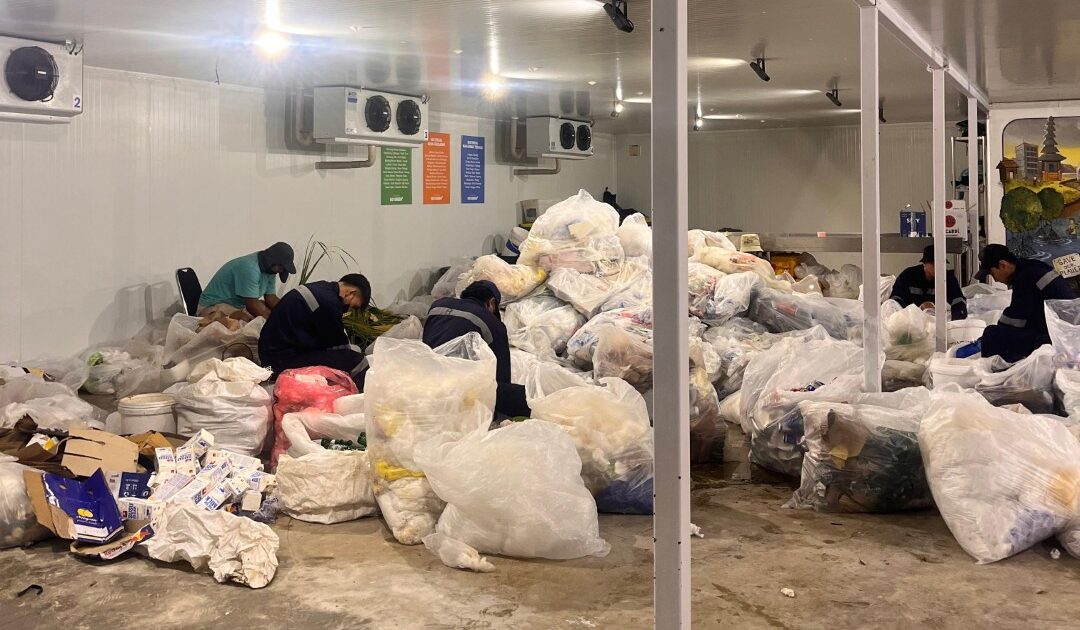
The strategy focuses on collaboration between the hospitality sector and specialized waste processors. Through partnerships with organizations such as Plastic Bank and Urban Compost, waste is redirected for recycling and composting. Garden trimmings and food waste are channeled to Jiwa Garden and local animal farmers, creating a closed-loop system that supports local agriculture. This approach reduces pressure on Bali’s landfills and strengthens links between tourism operations and the island’s environmental systems.
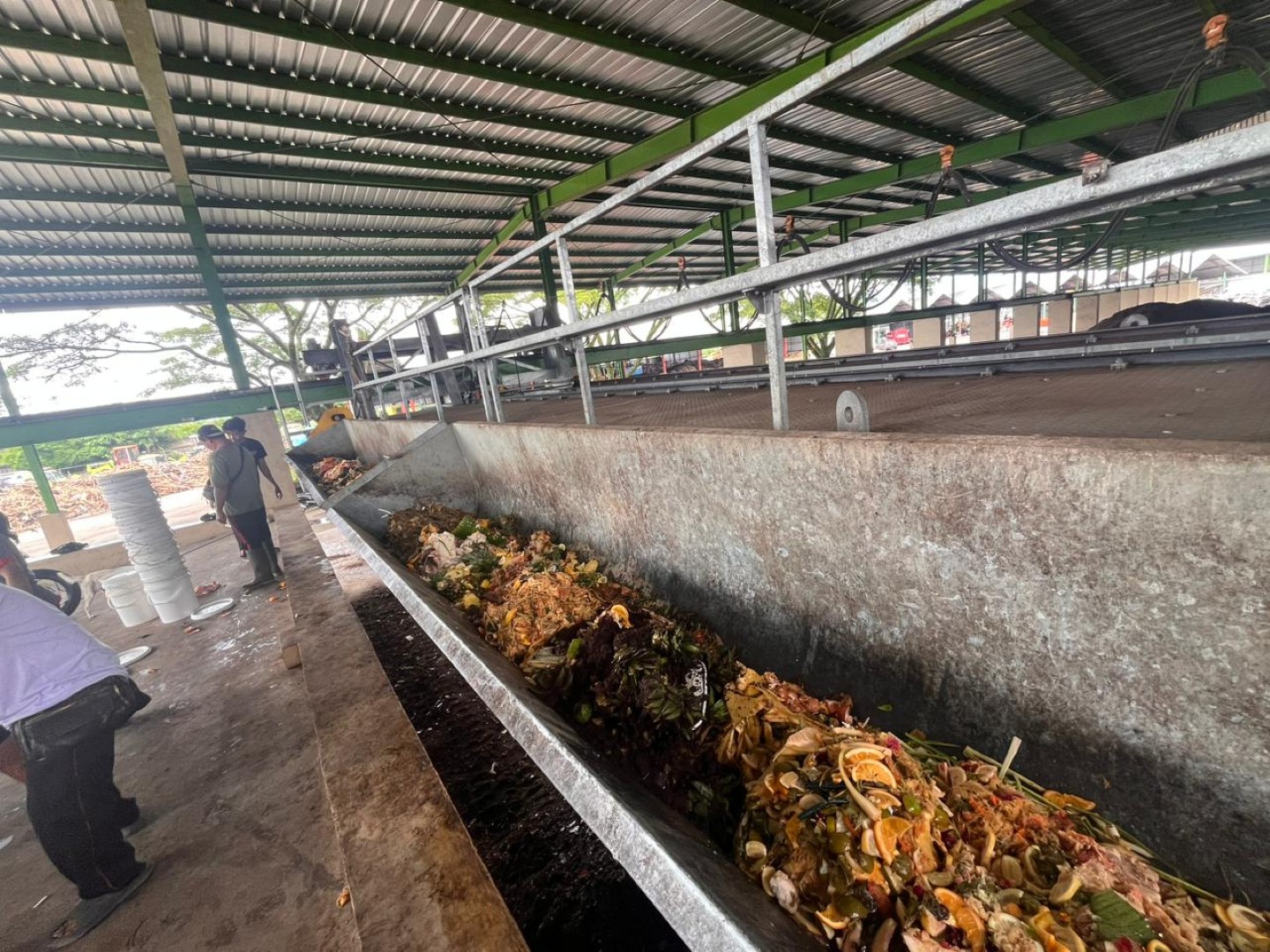
Following the November audit, FINNS is on track to reduce its landfill rate from 6% in 2025 to a 5% by the end of 2026. Ongoing improvements to on-site sorting and knowledge sharing with industry peers demonstrate that effective waste reduction is achievable through consistent behavioral change and collaboration.